

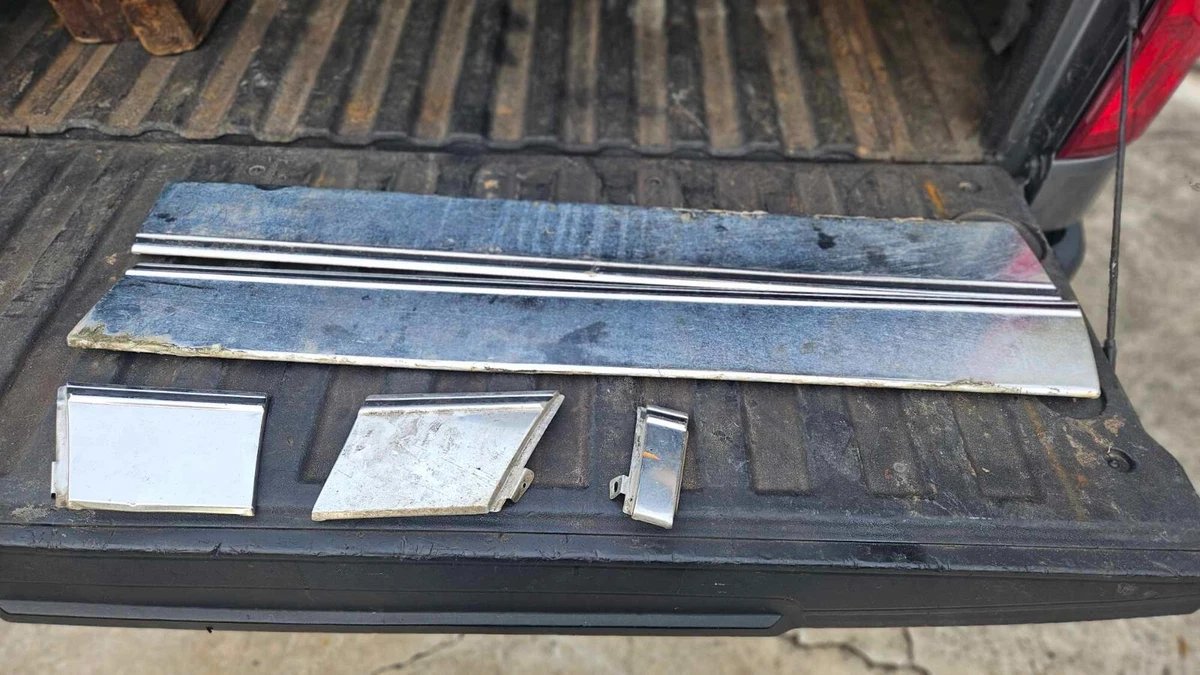
The 1980-1990 Chevrolet Caprice is a long-running full-size classic known for comfort, durability, and strong road presence. While these cars can still be solid drivers today, one area that frequently needs attention is the lower body—specifically the 1980-1990 Chevrolet Caprice Lower Body Rockers.
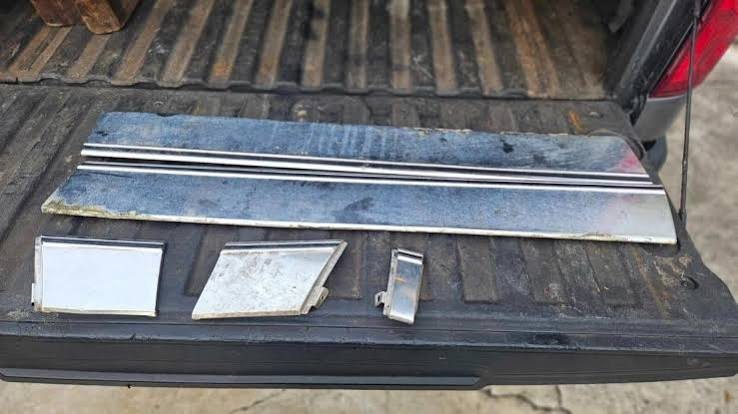
Rocker panels and lower body rockers are among the most common rust-prone areas on these Caprices. Whether you’re dealing with surface rust, holes, or complete section damage, replacing the lower body rockers is often essential for both structural integrity and a clean finished appearance.
In this guide, we’ll cover why these rockers fail, what replacement options look like, key fitment points, and practical tips for repair or replacement.
Why Lower Body Rockers Matter on the 1980-1990 Caprice
The rocker panels form the lower section of the body between the front and rear wheel openings. On the Caprice, they play an important role in:
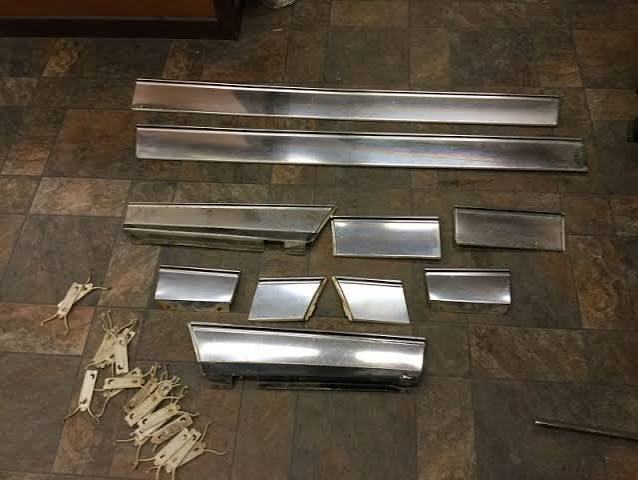
- Supporting the lower body structure
- Providing a clean visual line along the side of the car
- Helping protect the internal rocker structure from debris and moisture
- Contributing to overall body rigidity
When the 1980-1990 Caprice rocker panels rust through or become badly damaged, the car can look neglected and, in more severe cases, lose important structural strength. Replacing them restores both appearance and integrity.
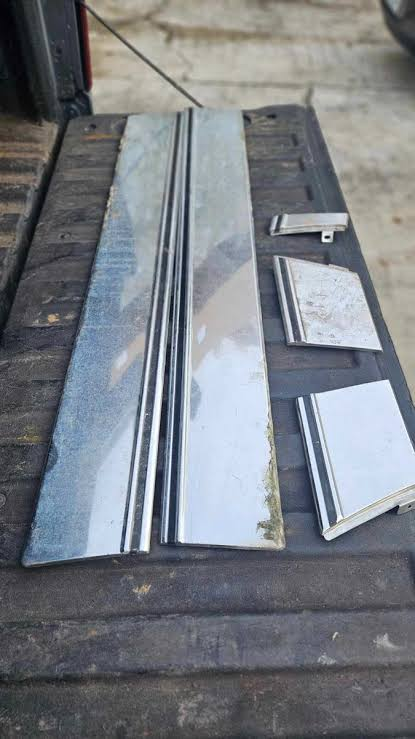
Common Problems with Original Caprice Rockers
Over time, Chevy Caprice lower body moldings and the underlying rocker panels are exposed to constant moisture, road salt, and debris. Common issues include:
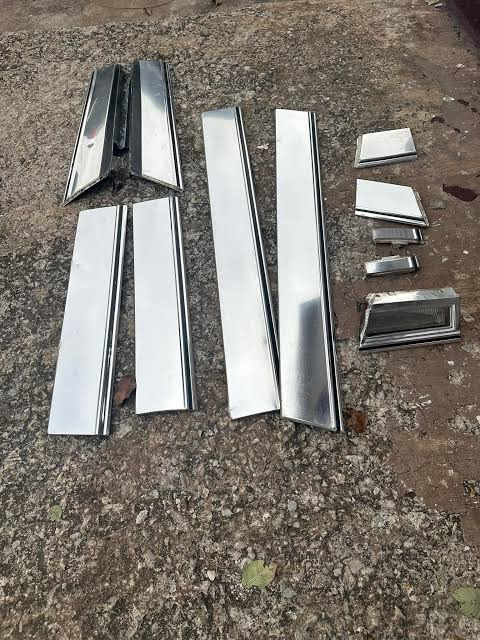
- Surface rust along the lower doors and rockers
- Bubbling paint and hidden corrosion
- Rust-through at the bottom edge of the rockers
- Damaged or missing outer rocker skins
- Weak or compromised inner rocker structure
These problems are especially common on cars from rust-belt regions, but even southern cars can develop issues after decades of use. In many cases, patching is only a temporary fix—full 80-90 Caprice rocker repair or replacement delivers better long-term results.
What to Look for When Buying Lower Body Rockers
When shopping for 1985 Caprice rocker panels or other years in this range, consider the following:
- Correct Fitment – Confirm the panels are made for 1980-1990 Chevrolet Caprice models.
- Outer vs. Full Rockers – Some products are outer skins only, while others offer more complete repair sections.
- Material Quality – Look for solid steel construction that can be welded and finished properly.
- Left and Right Availability – Decide whether you need one side or a complete pair.
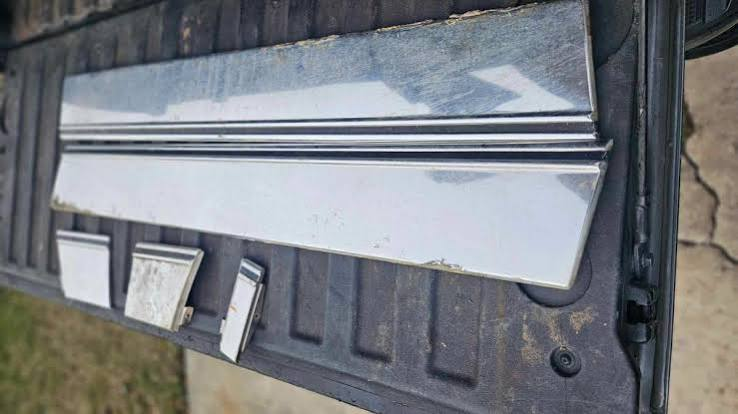
- Compatibility with Moldings – If your car uses lower body moldings, make sure the new rockers work with them.
A good set of 1988 Caprice lower rockers (or matching years) should follow the original body contours and align properly with the doors, quarters, and front fenders.
Repair vs. Replacement
Not every Caprice needs full rocker replacement. Here’s a quick way to think about it:
- Minor surface rust – Can often be treated, sealed, and refinished.
- Localized rust-through – May be repairable with patch panels if the surrounding metal is solid.
- Widespread damage or soft structure – Full lower body rocker replacement is usually the better solution.
If the inner rocker structure is compromised, addressing that at the same time is critical for a lasting repair.
Installation Tips
Replacing Chevrolet Caprice side rocker panels is a bodywork-level job that typically involves cutting, welding, and finishing:
- Assess the full extent of the rust, including inner structure.
- Remove outer moldings, trim, and any related components.
- Cut out the damaged rocker sections cleanly.
- Test-fit the new lower body rockers carefully.
- Weld the new panels in place using proper techniques.
- Seal, prime, and paint for long-term protection.
- Reinstall moldings and trim as needed.
Professional installation is recommended if you’re not experienced with structural bodywork. Proper sealing and undercoating afterward will help prevent future rust.
Final Thoughts
The 1980-1990 Chevrolet Caprice Lower Body Rockers are one of the most important areas to address when restoring or refreshing these full-size Chevys. Rust in this section is common, but with the right replacement panels and careful installation, you can restore both strength and a clean, solid appearance along the lower body.
Whether you’re saving a daily driver or working through a full restoration, solid rockers make a major difference in how the car looks and feels. Taking care of them properly is an investment that pays off in durability and finished quality.
Frequently Asked Questions (FAQ)
Do these lower body rockers fit all 1980-1990 Caprice models?
Most replacement panels are designed to cover the 1980-1990 Caprice range, but always confirm fitment for your specific year and body style.
Are these outer skins or full rocker panels?
It depends on the product. Some are outer rocker skins, while others offer more complete repair sections. Check the listing details carefully.
Is rocker replacement a DIY job?
It can be for experienced DIYers with welding skills. Otherwise, professional bodywork is recommended.
Will new rockers stop rust from coming back?
Proper installation, sealing, and undercoating are essential to help prevent future corrosion.
Should I replace both sides at once?
Yes, if both sides show damage. Matching left and right rockers gives the best appearance and structural balance.
Do I need to remove the doors?
Not always, but removing or properly supporting related components can make the job easier and more accurate.
Can I just cover the rust with filler?
Body filler is not a structural repair. It should only be used for minor imperfections after solid metal is restored.
Will new lower body rockers improve the look of my Caprice?
Yes. Clean, solid rockers make a dramatic difference in the side profile and overall appearance of the car.