
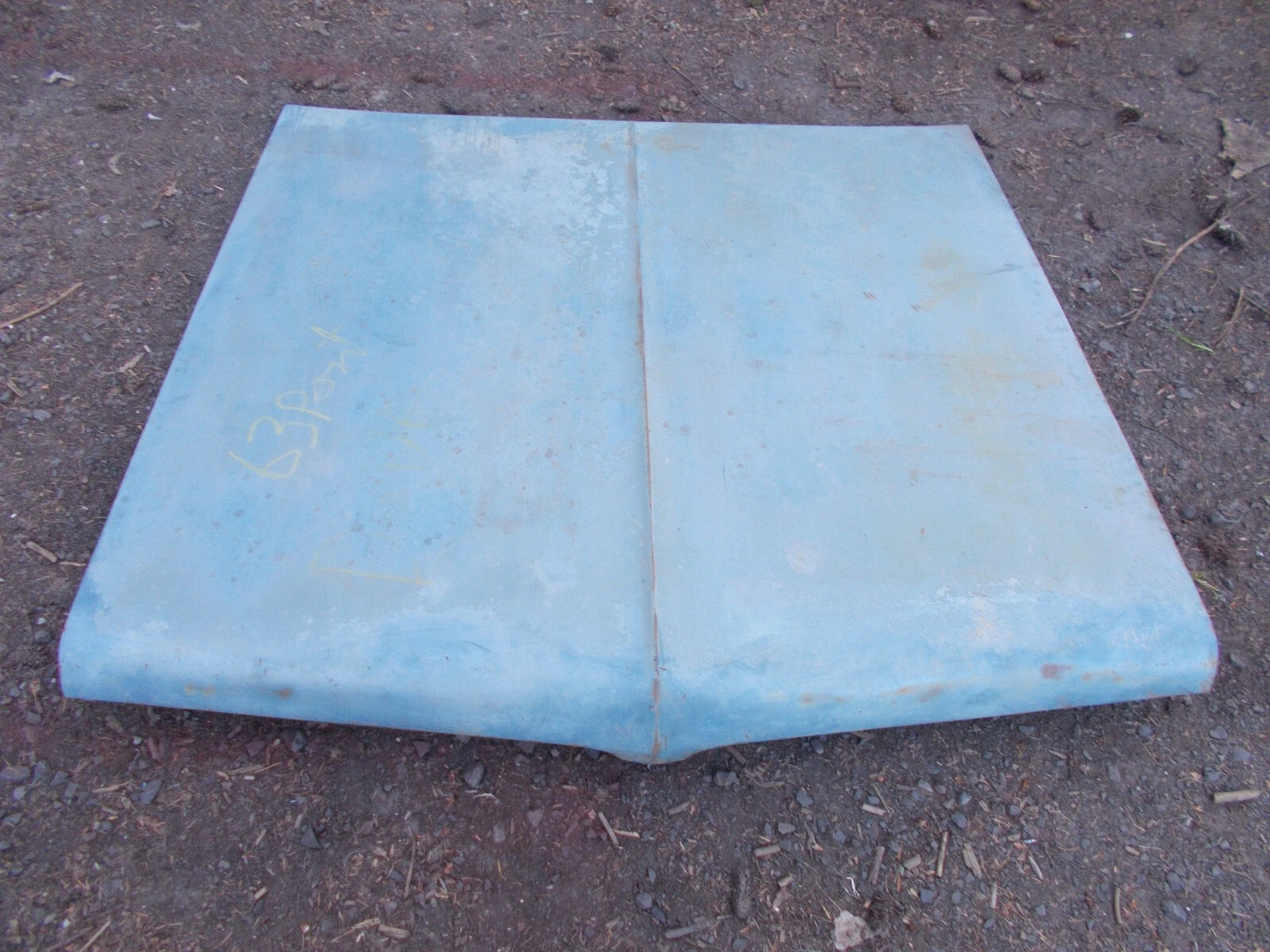
The 1963 Pontiac Grand Prix is one of the most stylish full-size personal luxury cars of its era. With its clean lines, distinctive front-end design, and strong road presence, it remains highly desirable among classic Pontiac enthusiasts. One of the most important body panels on the car is the 1963 Pontiac Grand Prix Hood.
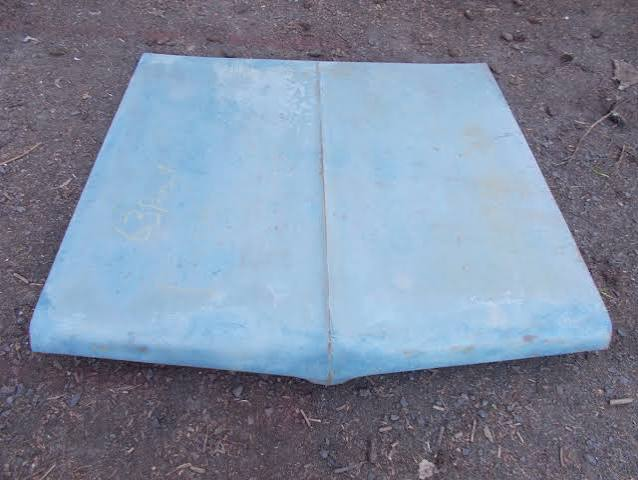
The hood is a major visual and structural part of the front end. When the original hood is rusted, dented, cracked, or poorly repaired, it can throw off the entire appearance of the car. Replacing it with a quality panel is often essential for both restoration quality and proper front-end fitment.
In this guide, we’ll cover why the hood matters, common problems with originals, what to look for when buying a replacement, and practical installation tips.
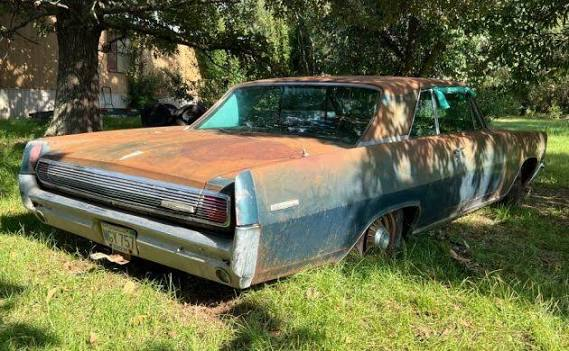
Why the Hood Matters on a 1963 Grand Prix
The hood is one of the largest and most visible panels on the car. On the 1963 Grand Prix, it plays a major role in the formal front-end styling and overall proportions. A straight, well-fitting 1963 Grand Prix hood helps the car look complete, balanced, and properly finished.
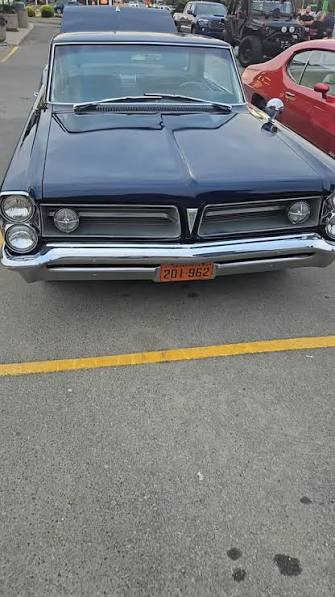
Key benefits of installing a quality replacement hood include:
- Restored front-end appearance
- Better alignment with fenders and grille area
- Improved structural integrity over damaged originals
- A cleaner foundation for paint and finishing work
- Higher overall restoration quality
For both full restorations and major collision or rust repairs, the Pontiac Grand Prix 1963 hood panel is a critical component.
Common Problems with Original 1963 Grand Prix Hoods
After more than 60 years, original 1963 Grand Prix front hood panels often develop issues such as:
- Rust along seams, edges, and brace areas
- Dents and impact damage
- Cracked or weakened support structure
- Poor previous bodywork
- Warping that affects fitment and panel gaps
Because the hood is large and exposed, damage is common. In many cases, a full replacement is a better solution than trying to save a badly compromised original.
What to Look for When Buying a 1963 Grand Prix Hood
When shopping for a classic Pontiac Grand Prix hood, keep these points in mind:
- Correct Year Fitment – Confirm the hood is specifically for the 1963 Grand Prix.
- Panel Accuracy – Look for correct contours and mounting points.
- Material Quality – Solid steel construction is important for proper fit and durability.
- Condition – New or replacement hoods should arrive as straight as possible.
- Brace and Structure – Check that support areas are complete and solid.
- Finish Requirements – Most hoods will need preparation, primer, and paint.
A good 1963 Grand Prix replacement hood should give you a solid foundation for proper front-end alignment and a high-quality finish.
Installation Tips
Installing a Pontiac Grand Prix body hood 1963 is a significant bodywork job. General steps include:
- Support and remove the original hood carefully.
- Inspect the hinges, latch area, and related hardware.
- Clean and prepare all mounting points.
- Test-fit the new hood thoroughly.
- Align it with the fenders, header panel, and grille area.
- Adjust gaps and latch operation before final tightening.
- Complete bodywork, primer, and paint.
Proper alignment is critical. Taking time during test-fitting helps ensure even gaps and smooth hood operation once the job is finished.
Final Thoughts
If the front of your 1963 Grand Prix is held back by a damaged or poorly fitting hood, installing a quality 1963 Pontiac Grand Prix Hood is one of the most important upgrades you can make. It restores the correct front-end appearance, improves structural integrity, and gives your classic Pontiac a much cleaner foundation for a finished restoration.
Whether you’re repairing collision damage or working through a full body restore, a solid hood is essential for getting the front end right.
Frequently Asked Questions (FAQ)
Will this hood fit only the 1963 Grand Prix?
Yes. This application is intended for the 1963 Pontiac Grand Prix. Always confirm the exact listing before ordering.
Is hood replacement a DIY job?
It can be for experienced DIYers, but it requires careful alignment and bodywork knowledge. Professional help is often recommended.
Does the hood come painted?
Most replacement hoods come bare and need preparation, primer, and paint.
Will a new hood improve front-end fitment?
Yes. A straight, correctly installed hood helps the fenders, grille area, and overall front-end alignment look much better.
Should I replace hinges or hardware at the same time?
Yes, if they are worn or damaged. Fresh hardware can improve fit and operation.
Can a rusty original hood be repaired instead?
Minor damage can sometimes be repaired, but significant rust or structural issues are usually best handled with replacement.
Are these original OEM hoods?
Most available options are high-quality reproduction or replacement panels designed to match the original fit and contours.
Why is the hood so important in a restoration?
It is one of the largest visible panels on the car and has a major impact on both appearance and front-end alignment.