

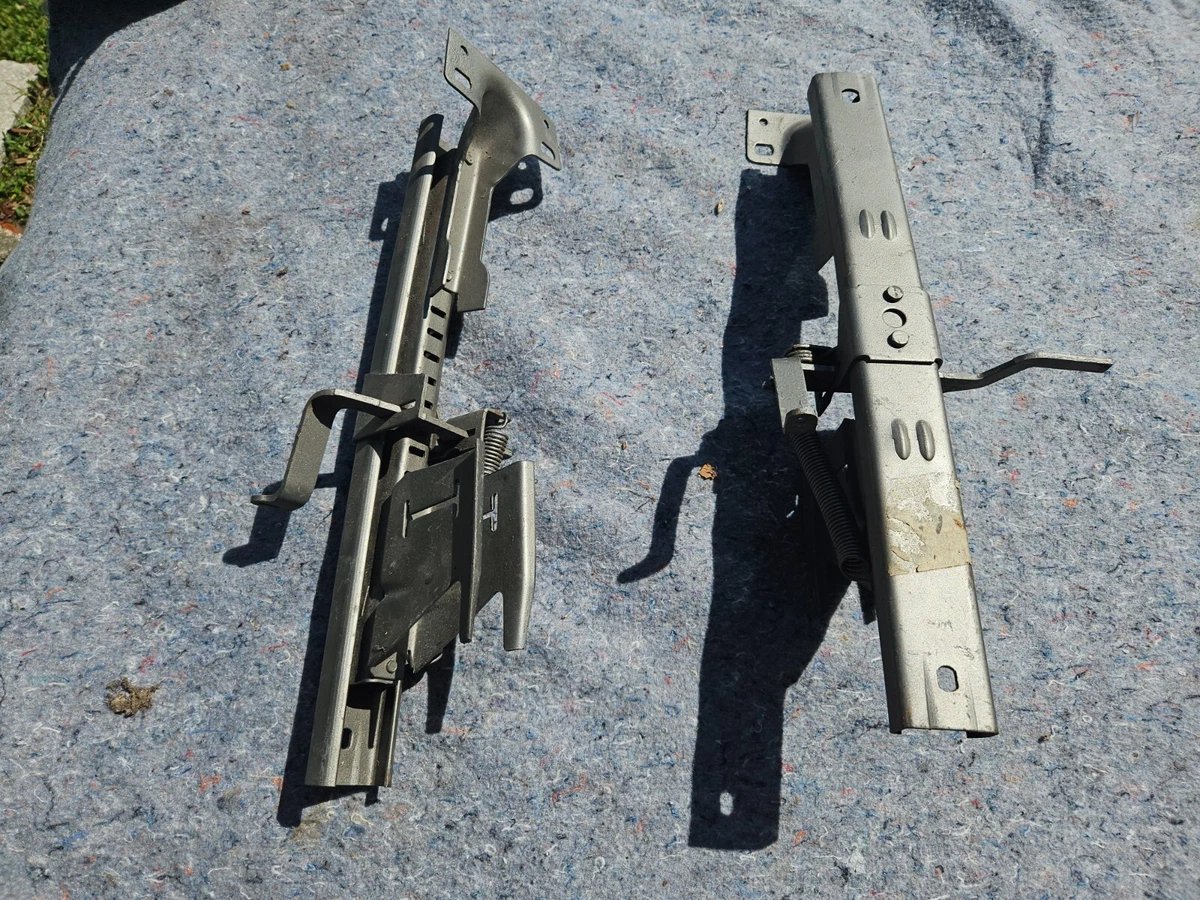
The 1955-1957 Chevrolet Bel Air, 150, and 210 models remain some of the most beloved classic cars ever built. While most attention goes to the body style, chrome, and performance upgrades, the interior details play a major role in both comfort and usability. One often-overlooked but very important component is the 1955-1957 Chevrolet Bench Seat Tracks.
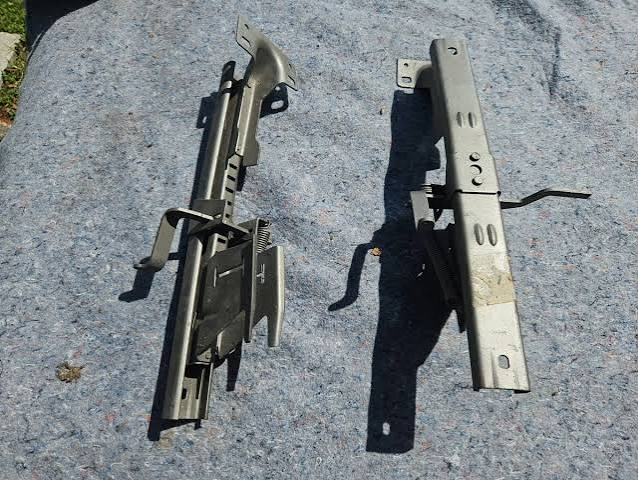
These tracks (also called seat rails) allow the front bench seat to slide forward and backward so drivers of different sizes can find a comfortable and safe driving position. When the original tracks wear out, rust, or seize up, seat adjustment becomes difficult or impossible. Replacing them restores proper function and improves the overall driving experience.
In this guide, we’ll cover how these seat tracks work, common issues, what to look for when buying replacements, and helpful installation tips.
Why Bench Seat Tracks Matter on 1955-1957 Chevys
The classic full-width bench seat used in 1955-1957 Chevrolets relies on a pair of sliding tracks mounted between the seat frame and the floor. These 1955-1957 Chevy seat tracks make it possible to adjust the seat position for legroom and reach to the pedals and steering wheel.
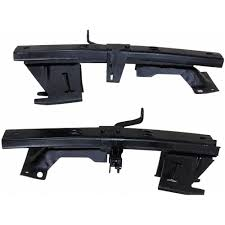
When the tracks are in good condition, the seat slides smoothly and locks securely in place. When they are worn or damaged, you may experience:
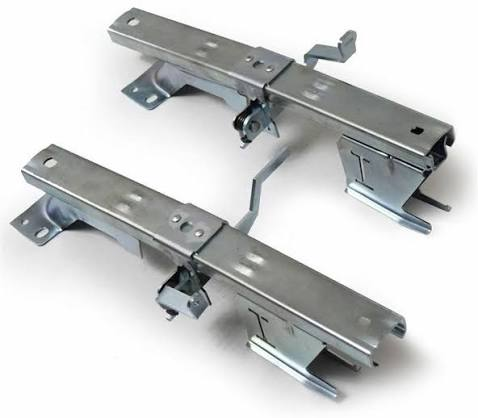
- Seats that are stuck in one position
- Difficulty sliding the seat forward or backward
- Excessive play or rocking in the seat
- Unsafe or uncomfortable driving positions
Installing a new set of 55-57 Bel Air bench seat tracks (or matching tracks for 150 and 210 models) restores smooth adjustment and helps the interior feel solid and functional again.
Common Problems with Original Seat Tracks
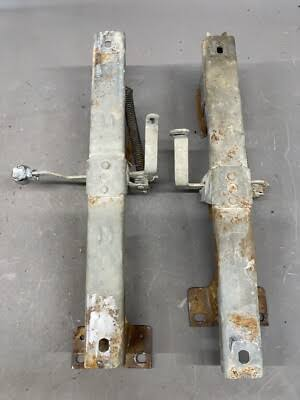
After decades of use, original 1957 Chevrolet seat rails and earlier versions frequently develop issues such as:
- Rust and corrosion on the sliding surfaces
- Worn or broken locking mechanisms
- Bent tracks from years of weight and movement
- Missing or damaged mounting hardware
- Seized slides that no longer move freely
Because these parts are under constant load, wear is common—especially on cars that have been driven regularly or stored in humid environments. In many cases, replacement is a better solution than trying to repair badly worn originals.
What to Look for When Buying 1955-1957 Bench Seat Tracks
When shopping for classic Chevy front seat tracks, keep these points in mind:
- Correct Fitment – Confirm the tracks are specifically designed for 1955-1957 Chevrolet models with bench seats.
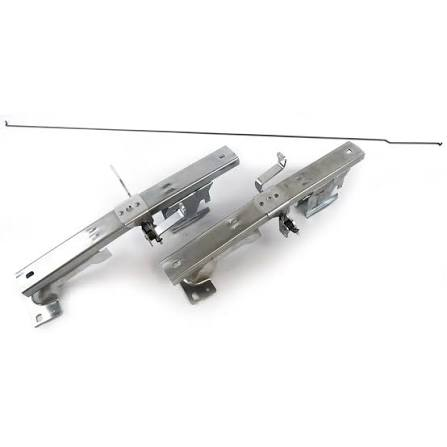
- Complete Pair – Most replacements come as a left and right set.
- Material Quality – Look for sturdy steel construction that can support long-term use.
- Smooth Operation – New tracks should slide freely and lock securely.
- Mounting Compatibility – They should align with the original seat frame and floor pan mounting points.
- Hardware – Check whether mounting bolts or related hardware are included.
A quality set of 1955-1957 Impala style seat tracks (for the full-size models of this era) should install in the original locations and restore proper seat travel.
Installation Tips
Replacing the 1956 Bel Air seat adjuster tracks or similar 1955-1957 units is a manageable job for most home mechanics:
- Remove the front bench seat from the vehicle.
- Unbolt the old tracks from the seat frame and floor.
- Clean the mounting areas thoroughly.
- Install the new tracks on the seat frame.
- Position the seat in the vehicle and bolt the tracks to the floor.
- Test the sliding motion and locking function before final tightening.
Lubricating the new tracks with a suitable light grease can help keep operation smooth. It’s also a good time to inspect the floor pan for rust or weak mounting points.
Final Thoughts
If the front seat in your 1955-1957 Chevrolet is stuck, difficult to adjust, or feels loose, replacing the 1955-1957 Chevrolet Bench Seat Tracks is one of the most practical upgrades you can make. It restores comfort, improves safety by allowing proper driver positioning, and helps the interior feel solid again.
Whether you’re finishing a full restoration or improving a regular driver, new seat tracks are a relatively affordable and highly functional improvement that you’ll notice every time you get behind the wheel.
Frequently Asked Questions (FAQ)
Do these seat tracks fit Bel Air, 150, and 210 models?
Yes. Most 1955-1957 Chevrolet bench seat tracks are designed to fit the full-size models that used the factory bench seat.
Are these tracks sold as a pair?
Yes. Replacement sets typically include both the left and right tracks.
Will new tracks make my seat slide smoothly again?
Yes. Quality replacement tracks restore smooth forward and backward adjustment when properly installed and lubricated.
Is installation difficult?
Moderate. You will need to remove the bench seat, but the job is straightforward for most people with basic tools.
Can I install these tracks on a car with bucket seats?
No. These are specifically designed for the original-style front bench seat.
Should I replace the seat tracks if only one side is bad?
It’s best to replace both sides at the same time for even operation and consistent wear.
Do the tracks come with mounting hardware?
This varies by seller. Some include hardware, while others expect you to reuse or source bolts separately.
Will new tracks improve safety?
Yes. Being able to properly adjust the seat helps you maintain safe control of the pedals and steering wheel.