

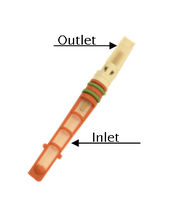
What Do Car AC Orifice Tubes Do?
Car AC orifice tubes create a restriction to drop the pressure and temperature (around 30°F) while allowing enough liquid refrigerant to flood the evaporator. It’s a fixed device with a specific diameter at the outlet and no control over refrigerant flow. It works with the compressor to maintain low side pressure, ensuring the evaporator stays flooded for efficient cooling.
Where Are Car AC Orifice Tubes Located?
The location of orifice tubes can vary in an AC system, so always check the vehicle’s specifications.
In some systems, the orifice tube is mounted in the high side of the liquid refrigerant line near the evaporator.
In other systems, it can be found in the condenser outlet, which can reduce the hissing noises typically produced when the AC is turned off.
Quick Tips:
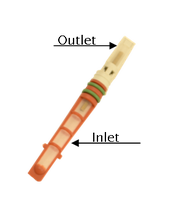
“T-top” orifice tubes are designed for the condenser, while others are for the evaporator.
The small side (outlet) always faces the evaporator.
System debris can clog an orifice tube, making it useful for diagnosing compressor and system issues. A clogged orifice tube can starve the compressor of oil, leading to failure.
Tips for Installation and Removal of Orifice Tubes:
Removing a stuck orifice tube can be tricky. Wiggling it with a tool might bend it out of shape, preventing a proper seal for the new tube. Instead, use heat to soften the o-rings for easier removal, avoiding line damage.
Some liquid lines are serviceable and allow orifice tube removal, while others with pre-mounted tubes must be replaced if they have crimp marks.
Late model GM, Ford, and Toyota vehicles may use an inline filter on the condenser outlet. This filter can be mistaken for an orifice tube but should always be replaced whenever the system is opened.
Choosing the Right Orifice Tube:
Orifice tube colors indicate diameters. Substituting different colors won’t work, as each color corresponds to a specific diameter. Always follow the manufacturer’s recommendations for the correct color and fit.